Back to home
A peer-to-peer rental app people finish booking on.
Introduction
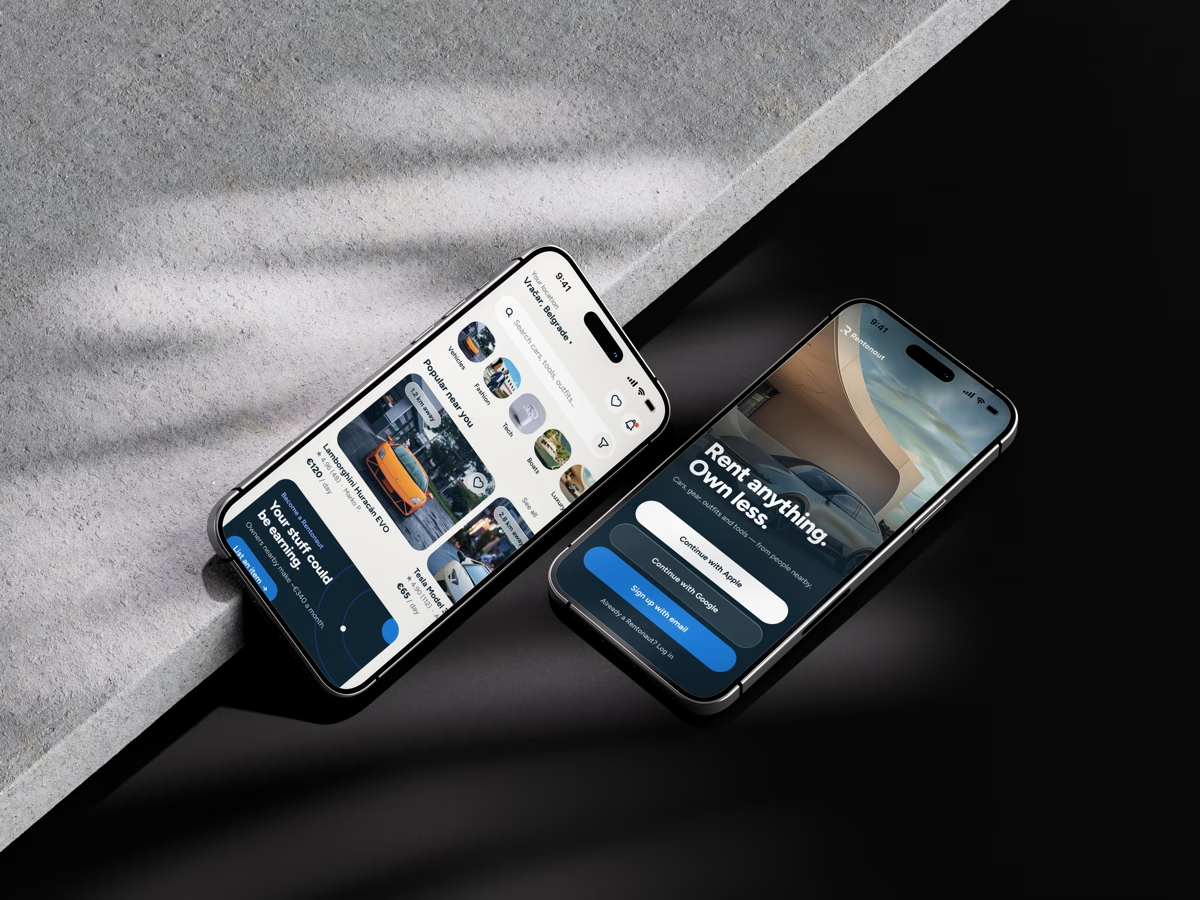
Rentonaut lets people rent out what they already own: cars, boats, tools, camping gear. The marketplace worked, but the booking flow lost people halfway through and nobody could say exactly where. We read the drop-off data before touching the interface, then rebuilt browsing, listings and checkout around what it showed.
Client
Rentonaut
Industry
Peer-to-peer rental marketplace
Scope
Product design
Year
2026
Duration
5 weeks
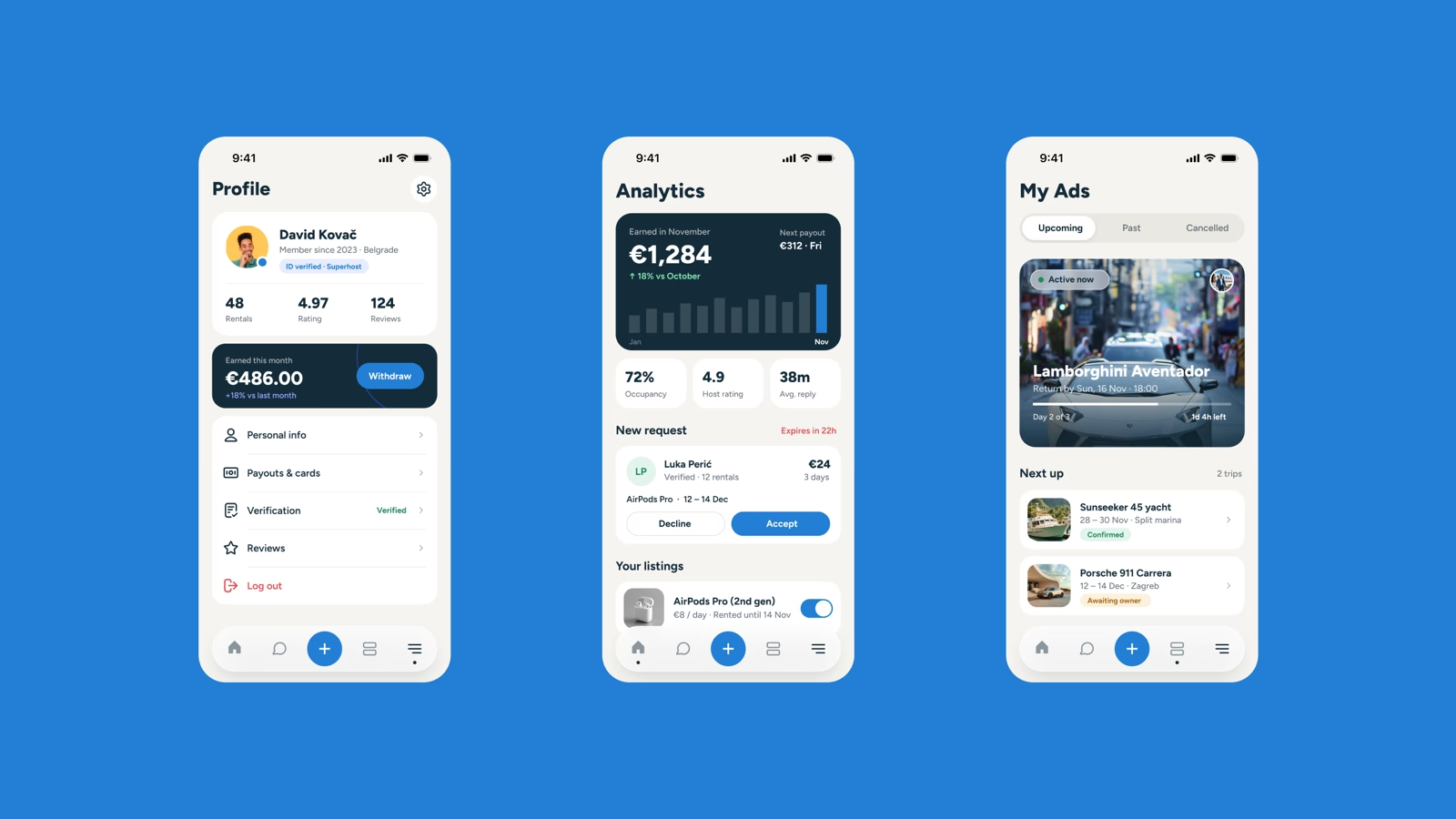
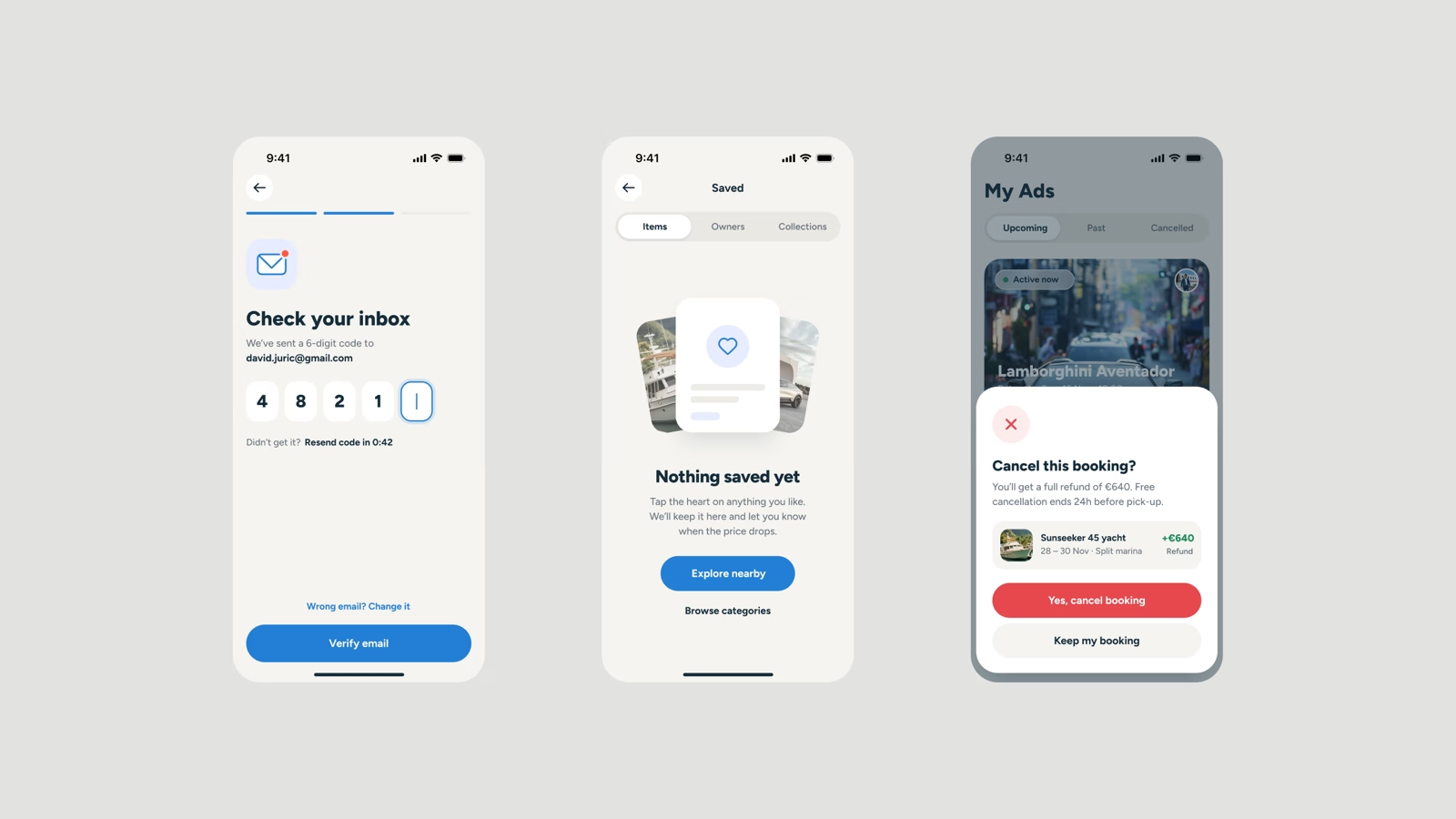
The problem
Listings were easy to find and hard to commit to. People browsed, opened something they liked, then stalled at the point where dates, price and availability all had to line up at once. Support picked up the rest, which is expensive for a business whose margin is a percentage of each booking.
Owners felt it from the other side. A listing that gets opened fifty times and booked twice reads as a pricing problem long before anyone suspects the flow.
The approach
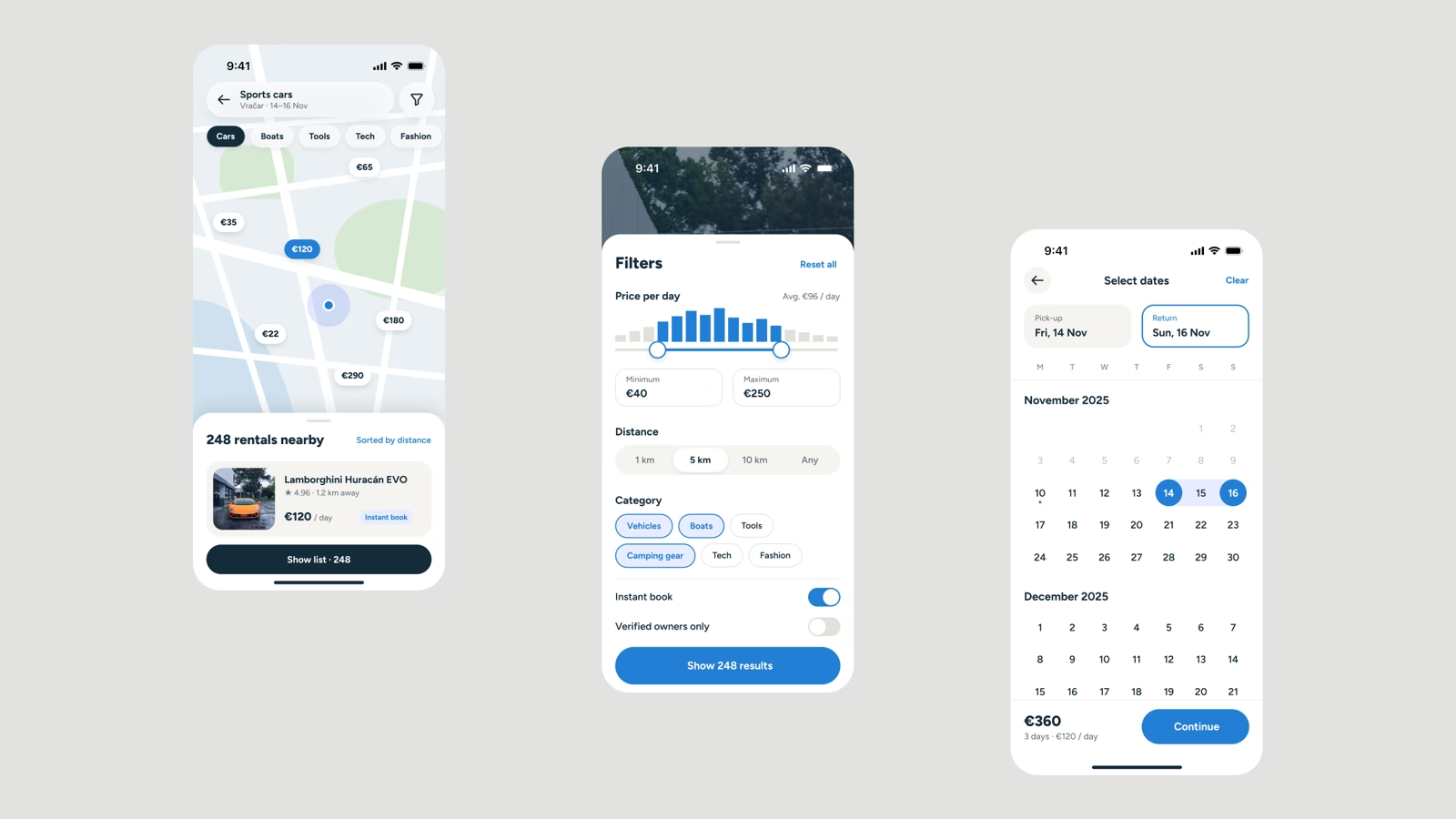
Start on the map, not in a menu. Browsing opens on nearby rentals with prices on the pins, so the first decision is a place and a budget rather than a category tree. Filters collapse into one sheet with a real price distribution behind the slider, so people can see where their range actually sits.
Dates moved into the flow instead of behind it. The calendar shows the full total as soon as a range is picked, so the number that usually causes the drop-off arrives before the commitment, not after.
The outcome
One flow from map to confirmation, with the price visible at every step. Instant-book listings are marked as such from the first card, verified owners are a filter rather than a badge nobody reads, and the booking summary carries the same per-day maths the listing showed.
The component set behind it (cards, filter sheets, date range, pricing rows) ships as one library the team extends when new categories launch.